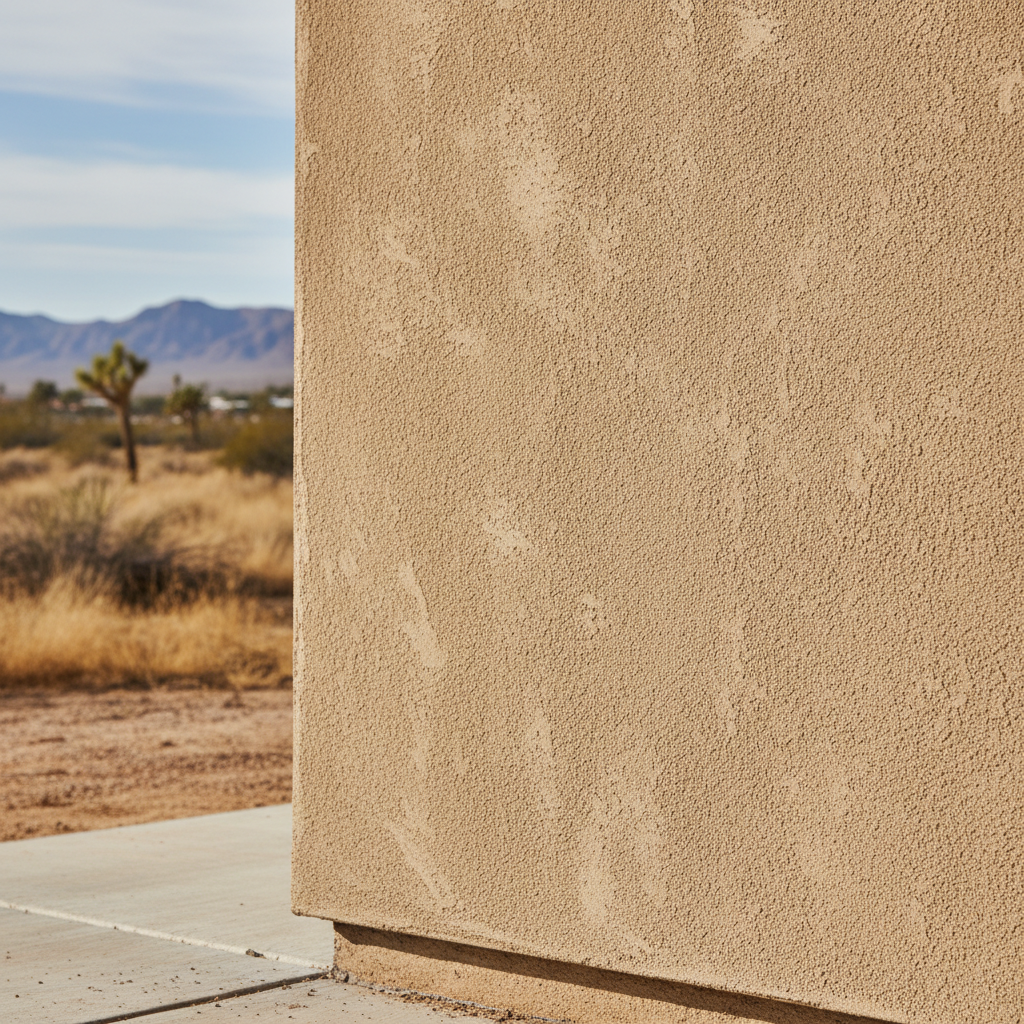
Alright, let's talk stucco. If you've got it on your home here in Victorville, you know it's a really durable finish. But everything out here in our High Desert, exposed to that sun and those occasional strong winds, needs a little TLC. You wouldn't just ignore a weird noise from your car, right? It's the same deal with your stucco. Spotting small problems early on can save you a whole lot of trouble—and money—later.
Believe me, I've seen it all. From tiny hairline cracks to full-blown moisture nightmares that could have been totally avoided. So, I'm going to walk you through what you can actually do yourself to keep an eye on your stucco. And, just as important, I'll tell you when it's time to pick up the phone and call someone like us at Victorville Stucco & Plastering.
Before You Start: Get Ready to Inspect
Before you even step outside, get your head in the game. You're not looking for perfection; you're hunting for problems. Think of it as a health check for your house, a regular physical. You'll just need a few simple things:
- Your eyes: Seriously, just looking closely does half the job.
- A notepad and pen (or your phone): To jot down notes or snap pictures of anything that looks off.
- A small hammer or a plastic handle: You'll use this for what I call a 'tap test'—I'll explain that later.
- Binoculars: These are super handy for checking out higher spots without needing a ladder.
- A ladder: If you're comfortable and feel safe using one, it helps you get a closer look at eaves and second-story windows.
Try to do this at least once a year. After a big storm, or if we've had some really unusual temperature swings, it's also a good idea to give things a quick once-over.
During the Inspection: What to Look For
Pick a corner of your house and start there. Then, just work your way around, section by section. No need to rush.
Cracks: The Most Common Culprit
You'll probably notice cracks first. But here's the thing: not all cracks are created equal. Let's break them down:
- Hairline cracks: These are super thin, like a strand of hair. Often, they're just cosmetic stuff, caused by normal settling, or maybe the stucco curing, or even temperature changes. You can usually patch these yourself with a good quality elastomeric caulk or patching compound. But keep an eye on them! If they start getting wider, they're trying to tell you something more serious.
- Spiderweb or map cracks: These look like a bunch of fine lines spread across an area. They usually point to issues with the finish coat, maybe it wasn't mixed or cured right. They're typically cosmetic, but if they're severe, they could signal poor bonding or moisture problems.
- Diagonal cracks: Now these are the ones that should grab your attention. Especially if they're running from the corners of windows, doors, or other openings. They might signal structural movement or foundation issues, and that's a big deal. If you spot these, particularly if they're wider than 1/16th of an inch, it's definitely time to call a pro.
- Cracks wider than 1/16th inch: Any crack this wide or wider, or one that keeps reopening even after you've patched it, needs professional help. It's basically an open door for water to get in and cause some serious damage.
Discoloration and Stains: Water's Calling Card
Look for dark streaks, patches, or any kind of staining. These almost always mean moisture is getting somewhere it shouldn't be. Green or black spots? That's mold or mildew, which means water is just hanging around. Pay extra close attention around windows, doors, and where the stucco meets the ground or the roofline.
Bulging, Soft Spots, or Hollow Sounds: Deeper Problems
Walk around and lightly tap your stucco with that small hammer or plastic handle. It should sound solid. If you hear a hollow sound, or if an area feels soft or looks like it's bulging out, that's a big red flag. This usually means the stucco has come loose from the wall, or there's moisture trapped behind it, leading to rot or other damage. Yeah, this is absolutely a job for the pros.
Flashing and Sealants: Your First Line of Defense
Check all the spots where different materials meet: around windows, doors, vents, and where the stucco touches the roof or foundation. The caulk or sealant needs to be intact, no gaps or cracks. If it's cracked, missing, or looks like it's pulling away, water can easily sneak behind your stucco. Also, look for kickout flashing where your roofline meets a wall. If it's not there, water can just run straight down your wall—not good.
Weep Screed: Don't Bury It!
At the very bottom of your stucco wall, you should see a metal strip called a weep screed. Its whole purpose is to let any moisture that gets behind the stucco drain out. Make sure it's not buried by dirt, landscaping, or concrete. It needs to be exposed, usually about 4-6 inches above the ground level. If it's buried, water can get stuck, and that's just asking for disaster, especially with our expansive soils here in Victorville.
After the Inspection: What to Do Next
DIY Fixes (Small Stuff Only)
If you only found small hairline cracks and no signs of water getting in, you can probably take care of those yourself. Clean the area really well and use a good quality, flexible stucco patch or sealant. Just make sure it's paintable if you plan to touch up the color.
When to Call a Pro
Look, I'm all for saving a buck, but some things just aren't worth the risk. If you see any of these, it's time to call in a professional stucco contractor:
- Any crack wider than 1/16th of an inch, or those tricky diagonal cracks.
- Bulging, soft spots, or hollow sounds when you tap the stucco.
- Significant staining, mold, or discoloration.
- Damaged or missing flashing and sealants around windows, doors, or rooflines.
- A buried weep screed.
- Or, you know, if you're just not sure. Seriously, a professional inspection can really put your mind at ease.
Don't wait for these issues to get worse. Water damage behind stucco can become incredibly expensive to fix if you let it go unchecked. What might be a few hundred dollars for a targeted repair could easily turn into thousands if moisture sits there and rots the sheathing and framing behind your walls.
We're talking about your home, your biggest investment. A professional stucco inspection, especially for houses older than 15 years, is a smart move every 3-5 years. It's kind of like a check-up for your house. Here at Victorville Stucco & Plastering, we've seen firsthand how quickly small problems can become big ones, especially with our local climate. We're here to help you keep your stucco looking great and protecting your home for years to come.