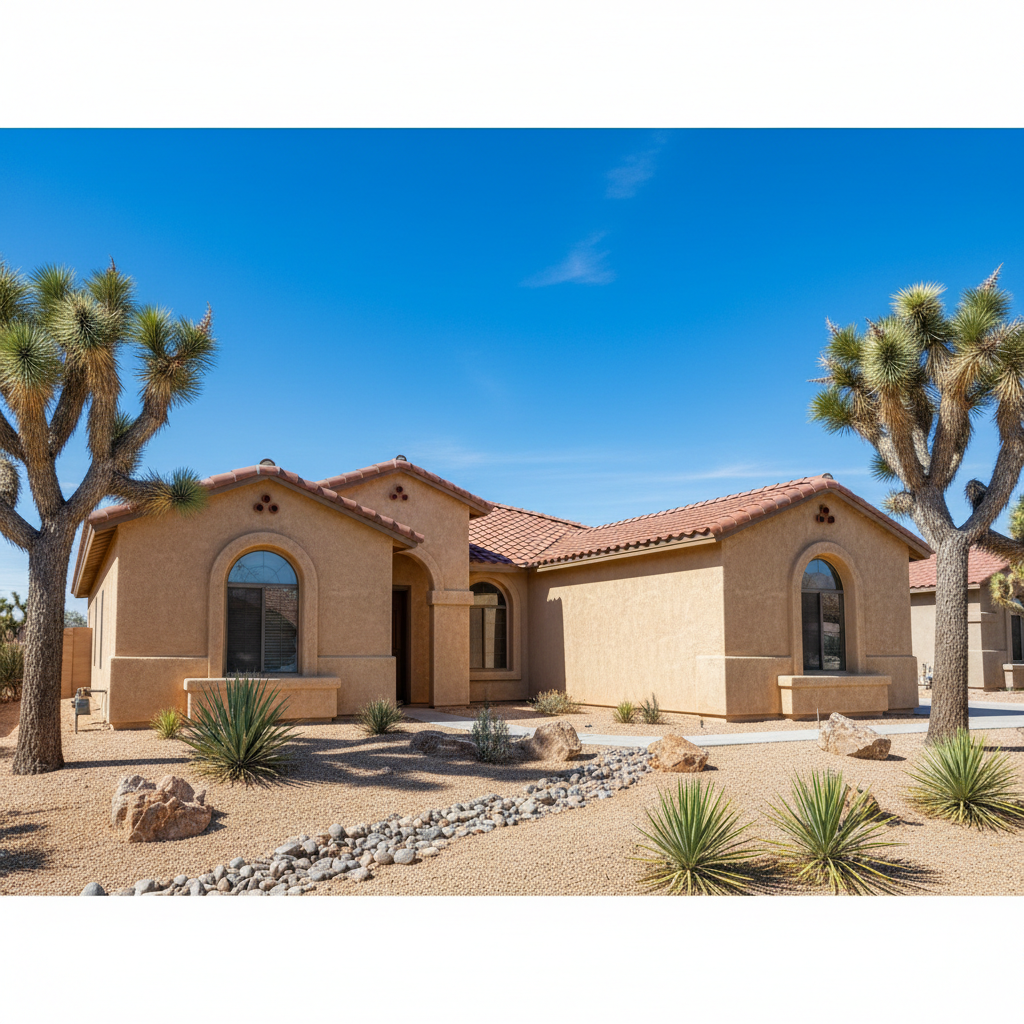
Dust storms roll off the Mojave and slam right into houses in Spring Valley Lake. Victorville weather does not mess around. Between the blistering summer triple-digits, freezing winter nights, and relentless high desert winds, exterior walls take a constant beating. Keeping your Stucco in top shape is not just about curb appeal; it is about protecting your home from the elements.
Understanding High Desert Weather and Your Stucco
Stucco is tough, but it hates rapid moisture loss during the curing process. When Victorville Stucco & Plastering pours or patches Stucco out here on the Mojave, the dry air and desert wind want to suck the moisture right out of the mix before it can properly set. That leads to cracking and weak walls. If you are planning an exterior project, timing is everything.
Summer afternoon temperatures routinely blow past 100 degrees. Working in that heat means the brown coat dries too fast, no matter how much water Victorville Stucco & Plastering puts on it. That is why our team usually shifts heavy installation and patching work to the milder spring and fall windows, or we start way before dawn when the desert air is cool and cooperative.
Spring and Summer Maintenance Routine
When spring hits the High Desert, the wind kicks up hard. That blowing sand acts like sandpaper on your exterior finish. Walk the perimeter of your house after a heavy blow.
- Look for hairline cracks around window frames where the house settles.
- Check your garden sprinklers so they are not constantly hitting the lower walls, which causes mineral staining and efflorescence, that white powdery substance.
- Wash off accumulated dust before it bakes into the texture.
If you spot minor cracks, deal with them before the brutal summer heat expands them further. Small fixes now save you from major structural headaches down the road.
Fall and Winter Protection Strategies
Winter nights in Victorville can drop below freezing pretty fast. If water gets trapped inside a crack in your Stucco and temperatures plunge, that water freezes, expands, and pops chunks right off the wall. It is a classic freeze-thaw cycle problem that catches a lot of homeowners off guard.
Late autumn is the absolute best time to seal your Stucco. A good breathable masonry sealer acts like a raincoat, keeping moisture out while still letting the wall breathe. Victorville Stucco & Plastering always tells homeowners to check their caulking around doors, windows, and utility penetrations before the first winter frost rolls in from the mountains.
Taking care of your exterior finish on a seasonal basis keeps your home solid and looking great year after year. A little proactive maintenance goes a long way against the High Desert climate.